


Understanding your body type and how to dress it properly is one of the most transformative decisions you can make in your personal style journey. Whether you're shopping for a new wardrobe or trying to make the most of what you already own, the foundation of fashion fit lies in three critical pillars: understanding your body shape, knowing your color palette, and learning how to combine these elements strategically. This comprehensive guide will walk you through everything you need to know to develop a wardrobe that not only fits your body perfectly but also enhances your natural features and boosts your confidence. By mastering the foundation of fashion fit, you'll spend less time second-guessing your outfit choices and more time feeling genuinely comfortable and stylish in whatever you wear.
Understanding Body Type as the Foundation of Fashion Fit
The foundation of fashion fit starts with a honest assessment of your body type. Unlike clothing sizes, which vary wildly between brands and can fluctuate with time, understanding your body shape gives you a consistent framework for making smart clothing choices. Your body type remains relatively stable throughout your life, making it an invaluable reference point when shopping or styling your existing wardrobe.
Body shapes are typically categorized into five main types: pear, apple, hourglass, rectangle, and inverted triangle. Each shape has unique proportions that respond differently to various clothing cuts, silhouettes, and designs. Rather than viewing your body type as a limitation, think of it as a helpful guide that shows you exactly which styles will look most flattering on your frame.
The pear-shaped body features wider hips and thighs with a narrower upper body. Apple-shaped bodies carry weight primarily in the midsection and shoulders with proportionally slimmer legs. Hourglass figures have balanced curves with a well-defined waist and equal width at the shoulders and hips. Rectangle bodies have minimal curves with similar proportions across the shoulders, waist, and hips. Inverted triangle shapes have broader shoulders and a narrower lower body. Understanding where you fall on this spectrum is the first step in building a wardrobe that truly works for you.
The Power of Color: Finding Your Perfect Palette
While understanding body type is crucial, the foundation of fashion fit extends beyond silhouette to encompass color theory. The colors you wear have an enormous impact on how you look and feel, affecting everything from your skin tone's vibrancy to your overall appearance of health and energy.
Identifying Your Undertone
Your undertone—the subtle hue beneath your skin's surface—is the cornerstone of color selection. Most people fall into one of three undertone categories: warm, cool, or neutral. Warm undertones have golden, peachy, or yellow-based hues. Cool undertones have pink, red, or blue-based hues. Neutral undertones have a balanced mix of both warm and cool elements.
To determine your undertone, examine the veins on your wrist under natural light. If they appear greenish, you likely have a warm undertone. If they appear bluish or purple, you have a cool undertone. If you see both colors equally, you probably have a neutral undertone. Another method is to hold gold and silver jewelry next to your face—whichever makes you look brighter and healthier is your metal, which typically corresponds to your undertone.
Building Your Color Palette
Once you've identified your undertone, you can build a cohesive color palette that makes you look vibrant and healthy. For warm undertones, flattering colors include warm reds, oranges, warm yellows, warm browns, warm greens, and warm pinks. Cool undertones look best in cool reds, cool pinks, cool purples, cool blues, jewel tones, and true blacks. Neutral undertones have the most flexibility and can wear nearly any color, though they often look best in a mix of warm and cool shades.
Beyond undertone, consider your skin's lightness and saturation. Fair skin typically looks stunning in both light pastels and deep jewel tones. Medium skin usually looks great in warm tones and rich, saturated colors. Deep skin tones often shine in vibrant colors and warm metallics. These are guidelines, not rules—personal preference always matters—but understanding these color principles helps you make intentional choices rather than guessing.
Practical Styling Tips: Combining Body Type and Color Knowledge
The magic of the foundation of fashion fit happens when you combine your understanding of body type with color knowledge. Here are practical strategies for implementing this knowledge in your everyday styling:
Strategic Color Placement
You can use color strategically to draw attention to areas you want to highlight and away from areas you prefer to downplay. Bright colors and warm tones advance toward the eye and create emphasis, while neutral colors and cool tones recede. If you have an apple-shaped body and prefer to minimize your midsection, wear darker or neutral tones in that area while using brighter or lighter colors in areas you want to emphasize, such as your neckline or legs.
Pattern and Texture Considerations
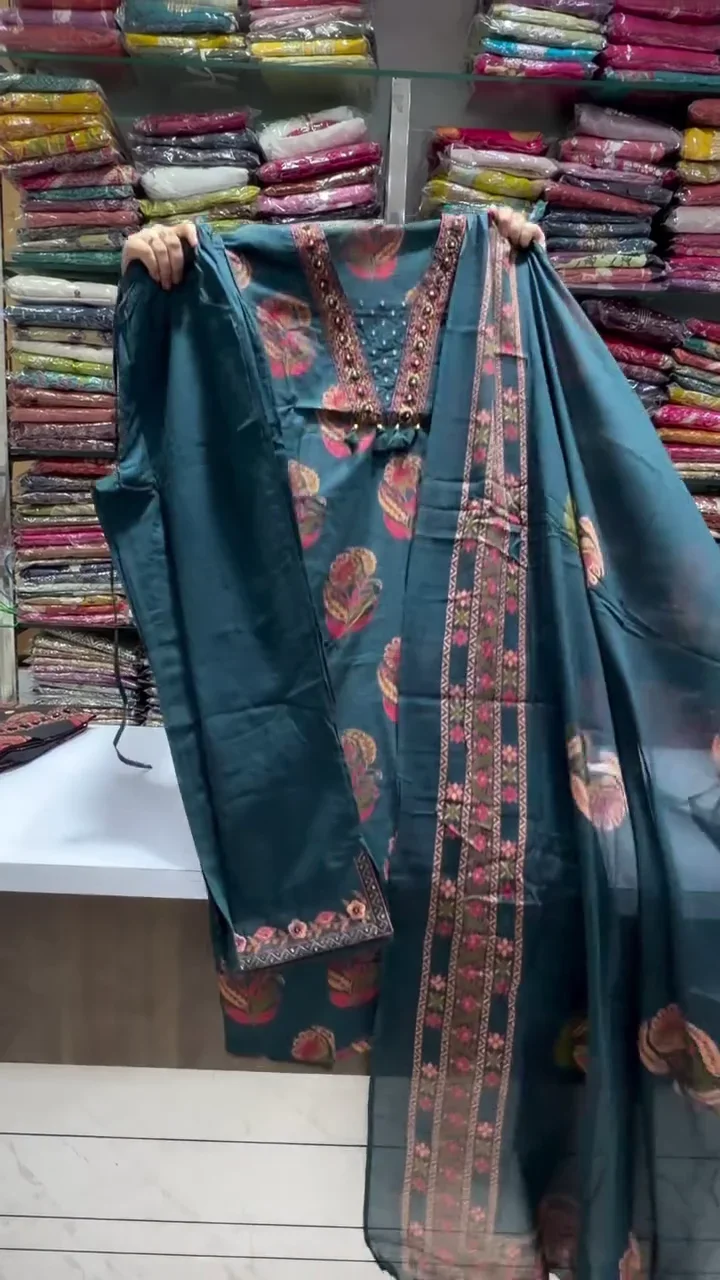
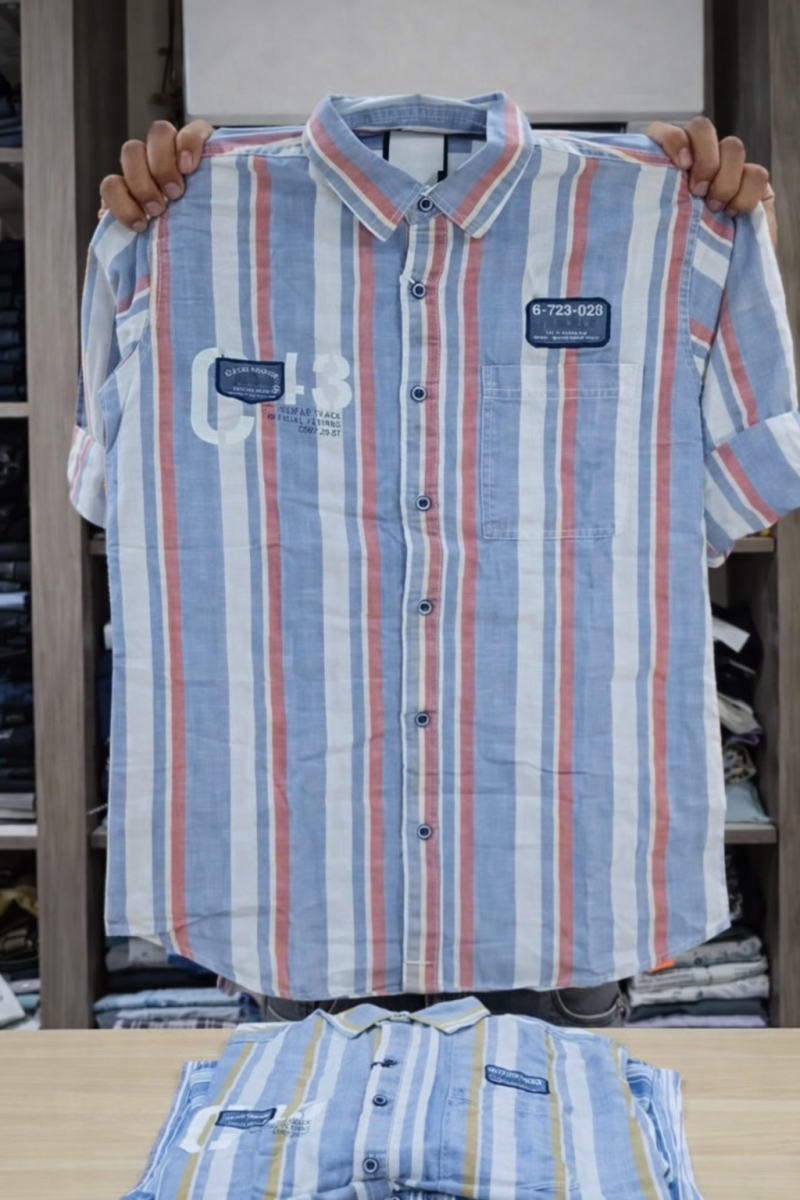
Beyond solid colors, patterns and textures also play important roles in the foundation of fashion fit. Large, bold patterns draw attention to the areas where you place them—perfect for drawing eyes to your face or legs if you want to emphasize those areas. Smaller, busy patterns can make an area appear larger or blend in. Vertical stripes create a lengthening effect, while horizontal stripes can add width. Choose patterns in colors that flatter your undertone to maximize their impact.
Silhouette-Color Combinations
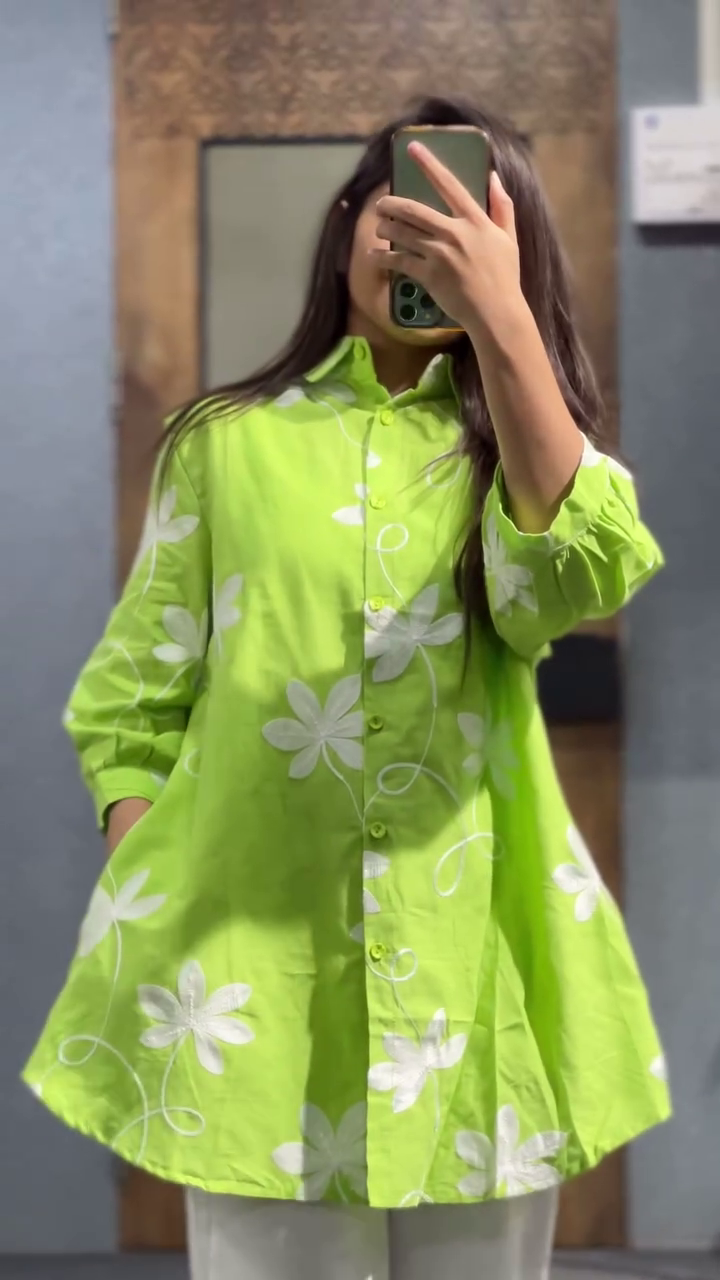
Certain silhouettes pair beautifully with specific colors. A fitted dress in a cool, jewel-tone blue can elegantly showcase an hourglass figure while the cool tone maintains balance. A warm-toned, loose-fitting shirt can add dimension to a rectangle body shape while the warm undertone brings warmth to cooler skin tones. The most flattering outfits marry silhouettes that suit your body shape with colors that complement your undertone.
Men's Specific Clothing Recommendations by Body Type and Color
Men's fashion often seems more straightforward than women's fashion, but understanding the foundation of fashion fit is equally important for creating a cohesive, flattering wardrobe. Men's clothing recommendations vary significantly based on body type.
Pear-Shaped Men
Men with pear-shaped bodies—broader hips with narrower shoulders—should focus on building width in the upper body. Structured jackets with visible shoulder seams, horizontal stripes on tops, and layering techniques help create the illusion of broader shoulders. Choose darker colors for the lower body to minimize emphasis, and use lighter or brighter colors in your shirt choices to draw the eye upward.
Apple-Shaped Men
Apple-shaped men carry weight in the midsection and benefit from vertical elements that create lengthening effects. Vertical stripes, open button-up shirts layered over fitted tees, and jackets worn open all help create a slimming silhouette. Colors that complement your undertone worn over neutral base layers create visual interest without adding bulk.
Rectangle-Shaped Men
Rectangle-shaped men with minimal curves benefit from adding visual width and interest to their frame. Horizontal stripes, patterned fabrics, textured materials, and layering all add dimension. Fitted clothing shows off their lean physique, and colors that complement their undertone enhance their natural features without overwhelming them.
Inverted Triangle Men
Men with inverted triangle shapes—broader shoulders and narrower legs—should balance their proportions with darker colors on top and lighter or patterned options on the bottom. Slim-fit pants and lighter-colored bottoms draw attention downward and create visual balance. Avoid oversized jackets that emphasize shoulder width further.
Women's Specific Clothing Recommendations by Body Type and Color
Women's fashion offers more variety in silhouettes and styles, making the foundation of fashion fit particularly valuable. Let's explore specific recommendations for each body type.
Pear-Shaped Women
Pear-shaped women with fuller hips and thighs but narrower shoulders benefit from styles that add volume to the upper body while balancing the lower half. A-line skirts and bootcut jeans are more flattering than skinny jeans or tight pencil skirts. Boat necks, horizontal stripes, and structured fabrics on top create width, while darker colors on the bottom minimize emphasis. Wrap dresses are exceptionally flattering, as they cinch the waist and skim over the hip area.
Apple-Shaped Women
Apple-shaped women with wider midsections and broader shoulders look best in styles that create vertical lines and define the waist. Wrap tops, peplum styles, and belted dresses all work beautifully. Vertical stripes and asymmetrical cuts create a lengthening effect. A-line skirts and straight-leg pants balance proportions. Colors should be chosen strategically—perhaps a neutral or darker tone through the midsection with brighter colors drawing attention to the face, chest, or legs.
Hourglass Women
Hourglass-shaped women have balanced curves and can wear fitted styles that showcase their figure. Wrap dresses, fitted pencil skirts, and tailored blazers all look stunning on this body type. The key is choosing colors that complement your undertone—whether cool jewel tones or warm, saturated hues—to enhance your natural symmetry.
Rectangle-Shaped Women
Rectangle-shaped women with minimal curves benefit from styles that create the illusion of curves. Peplum tops, ruched fabrics, belted styles, and styles with gathering or ruffles add visual interest and dimension. Patterns and textures work wonderfully to create visual curves. Both form-fitting and relaxed styles work, depending on personal preference, as long as they create visual interest through details rather than showcasing minimal curves.
Inverted Triangle Women
Inverted triangle women with broader shoulders and narrower hips should balance their proportions by adding volume to the lower body. A-line skirts, wide-leg pants, lighter colors on the bottom, and patterns on skirts all draw attention downward. Keep tops more fitted and darker to avoid adding unnecessary bulk to the upper body.
Additional Factors to Consider When Choosing Clothes
While body type and color form the foundation of fashion fit, several additional factors deserve consideration when building your wardrobe and making styling decisions.
Personal Style and Lifestyle
The most flattering outfit means nothing if it doesn't align with your personal style or lifestyle. Consider your daily activities, climate, work environment, and personal preferences. A perfectly styled outfit that requires dry cleaning after each wear or doesn't suit your lifestyle won't get worn, no matter how flattering it is.
Fabric Quality and Fit
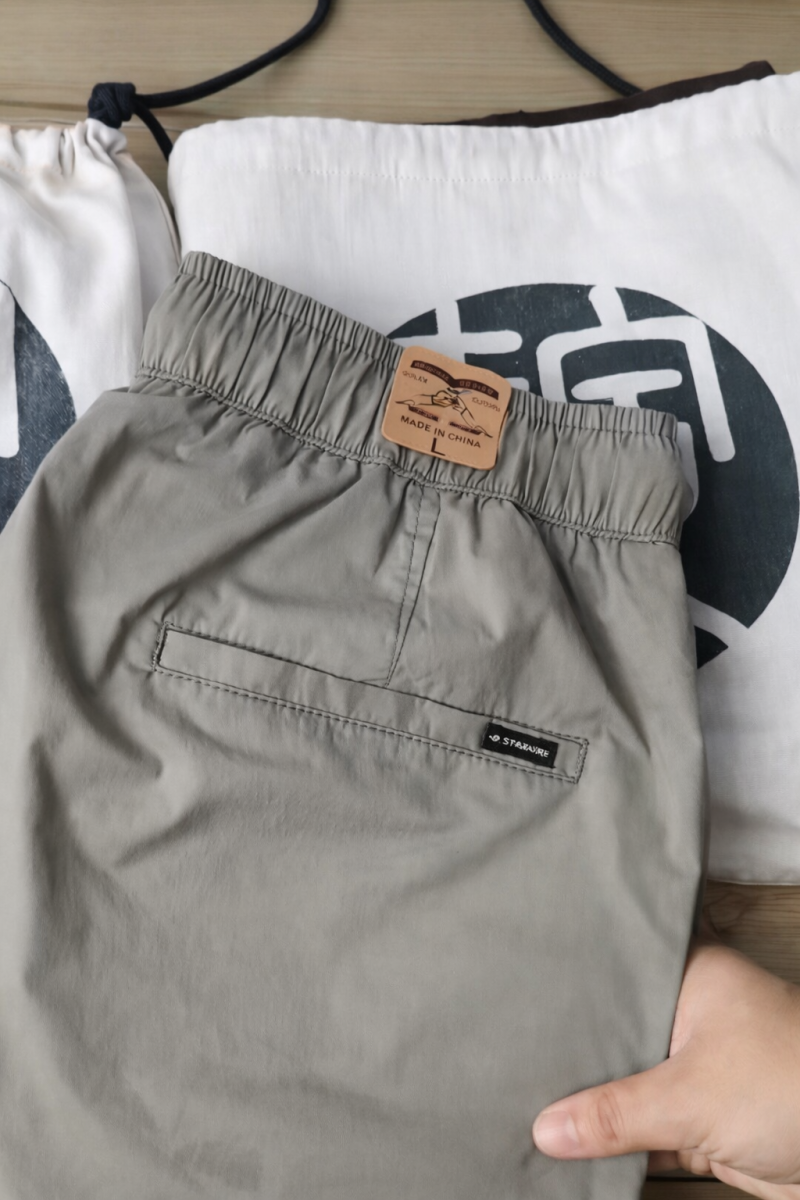
High-quality fabrics that drape well make an enormous difference in how clothes fit and flatter your body. Natural fibers like cotton, linen, and wool typically drape better than many synthetics. The fabric's weight, stretch, and construction all affect how a garment sits on your body. Invest in pieces made from quality materials, and prioritize proper fit through tailoring when necessary.
Proportion and Scale
Beyond general silhouettes, proportion matters significantly in the foundation of fashion fit. Petite women often look best in smaller-scale patterns and proportionate silhouettes, while taller women can carry larger-scale patterns and more dramatic silhouettes. Similarly, women with smaller frames look best in pieces that match their body's scale, while women with larger frames benefit from proportional pieces that suit their overall size.
Personal Confidence
Ultimately, the most flattering outfit is one that makes you feel confident and comfortable. While understanding the foundation of fashion fit provides valuable guidelines, your personal confidence and how you feel in what you're wearing matter equally. Use these principles as a starting point, but allow yourself the freedom to experiment and develop a personal style that feels authentically you.
Seasonal Adjustments
The foundation of fashion fit remains consistent across seasons, but your approach to color and texture may shift. In warmer months, lighter colors and breathable fabrics work best, while cooler months call for deeper tones and heavier materials. However, your body type recommendations remain the same—you're simply adapting them to seasonal conditions.
Building a Versatile Wardrobe Based on the Foundation of Fashion Fit
Once you understand the foundation of fashion fit, you can build a cohesive, versatile wardrobe with fewer pieces that work together beautifully. Start by identifying your body type and undertone, then invest in neutral basics in colors that flatter you. Add statement pieces in flattering colors and silhouettes that suit your shape. Choose patterns and prints in colors that complement your undertone and in scales that suit your frame.
Focus on quality over quantity, choosing well-made pieces that fit your body properly. Consider tailoring as an investment—even inexpensive pieces look amazing when properly fitted to your body. Build your wardrobe slowly and intentionally, always asking whether new pieces work with what you already own and whether they flatter your body type and coloring.
Organization is also part of building a wardrobe based on the foundation of fashion fit. When you understand which colors and silhouettes work best for you, it becomes easy to see at a glance which pieces are worth wearing and which might not be serving your style goals.
The Transformative Power of Understanding the Foundation of Fashion Fit
Investing time in understanding the foundation of fashion fit pays dividends throughout your life. You'll spend less time agonizing over outfit choices, more time feeling confident in what you wear, and considerably less money on pieces that don't serve you. You'll develop a personal style that feels authentic and flattering, built on a foundation of self-knowledge rather than fleeting trends.
Most importantly, understanding the foundation of fashion fit helps you appreciate and work with your body, rather than against it. Instead of struggling to fit into styles designed for different body types, you'll celebrate your unique shape by dressing it in ways that make you feel beautiful and confident. This shift in perspective—from seeing your body as something to hide to seeing it as something to dress strategically—is transformative both practically and psychologically.
Conclusion: Mastering Your Personal Style
The foundation of fashion fit encompasses understanding your body type, identifying your color palette, learning how to combine these elements strategically, and making intentional choices about the additional factors that influence how clothes look and feel on your body. This foundation isn't about restriction or following rigid rules—it's about empowerment. When you understand these principles, you gain the knowledge to make informed decisions about your wardrobe, to experiment with confidence, and to develop a personal style that feels authentically you.
Whether you're building a completely new wardrobe or simply looking to make the most of what you already own, the foundation of fashion fit provides the framework you need. Start by identifying your body type and undertone, then use this information to guide your shopping and styling decisions. Remember that these are guidelines meant to help you, not rules meant to restrict you. The goal is to feel confident, comfortable, and genuinely yourself in what you wear.
As you apply these principles to your own life, you'll discover that fashion becomes less about chasing trends and more about celebrating your unique body and style. You'll build a wardrobe of pieces you genuinely love wearing, know look flattering on you, and work together harmoniously. That's the true power of understanding and implementing the foundation of fashion fit—it transforms not just how you look, but how you feel about yourself and the clothes you wear.