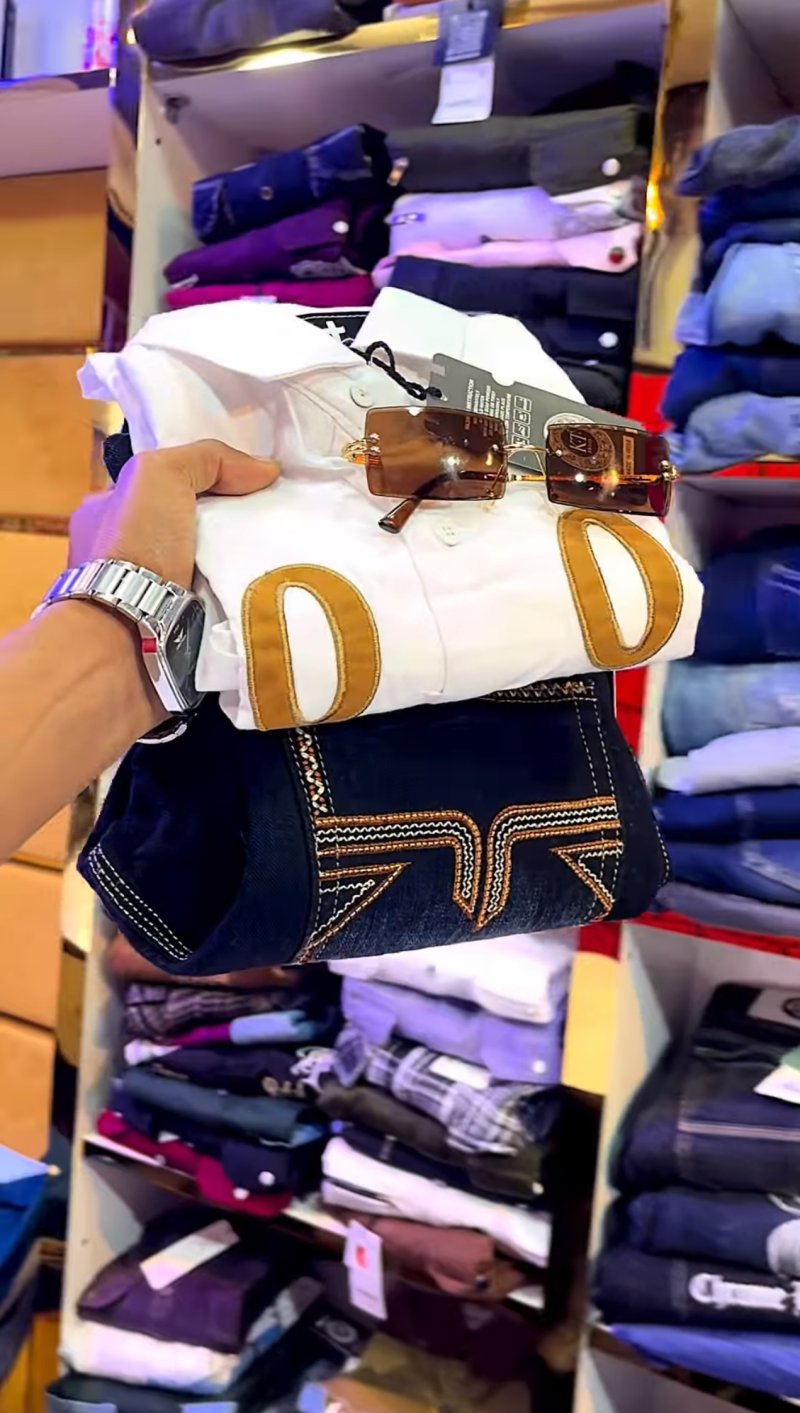
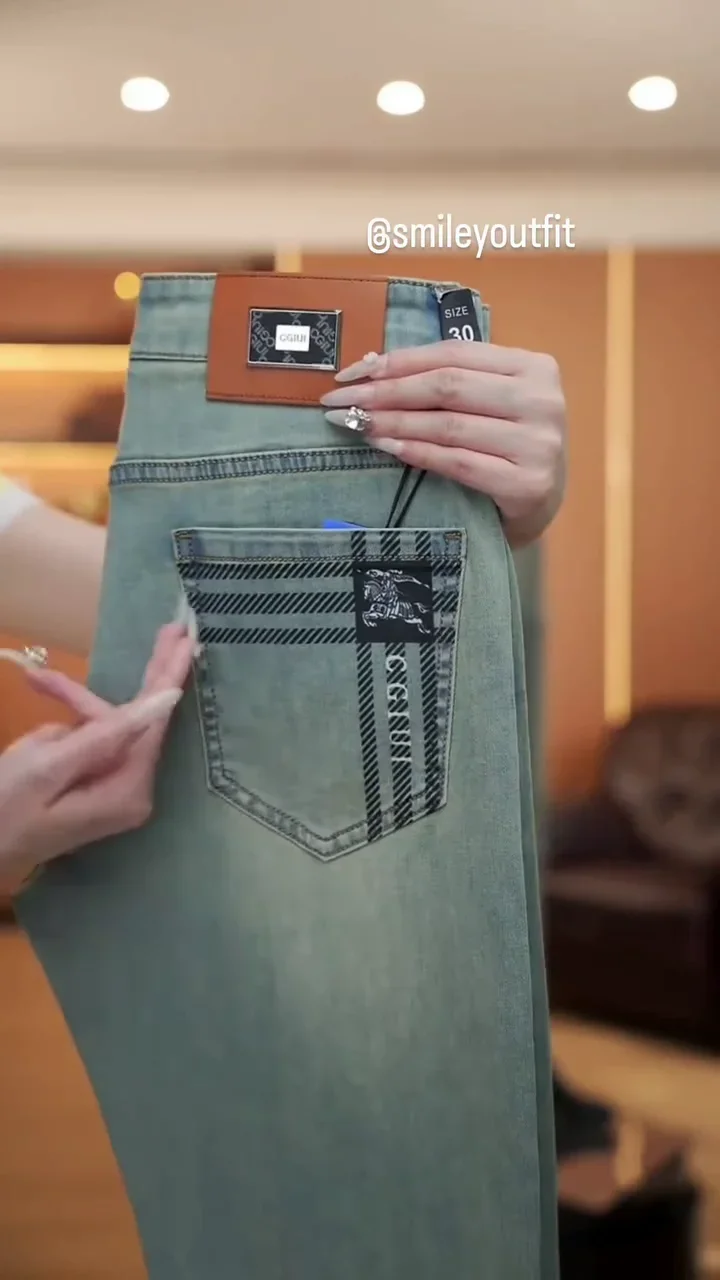
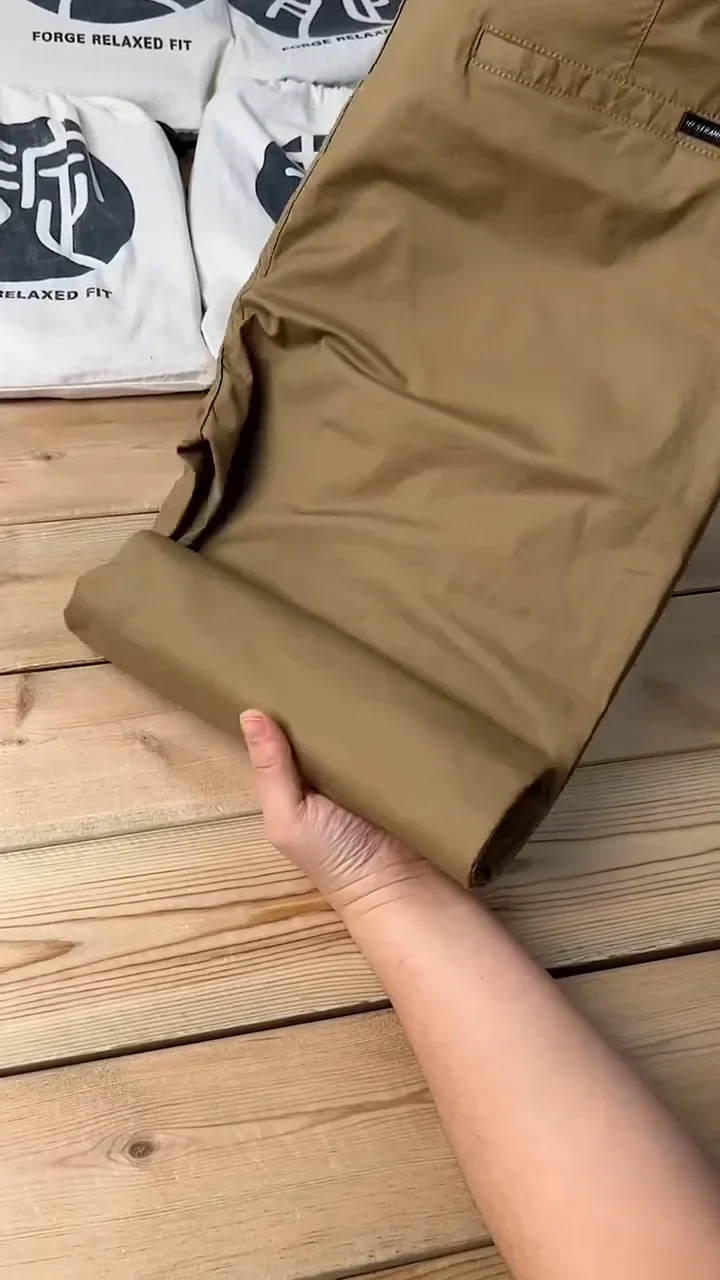
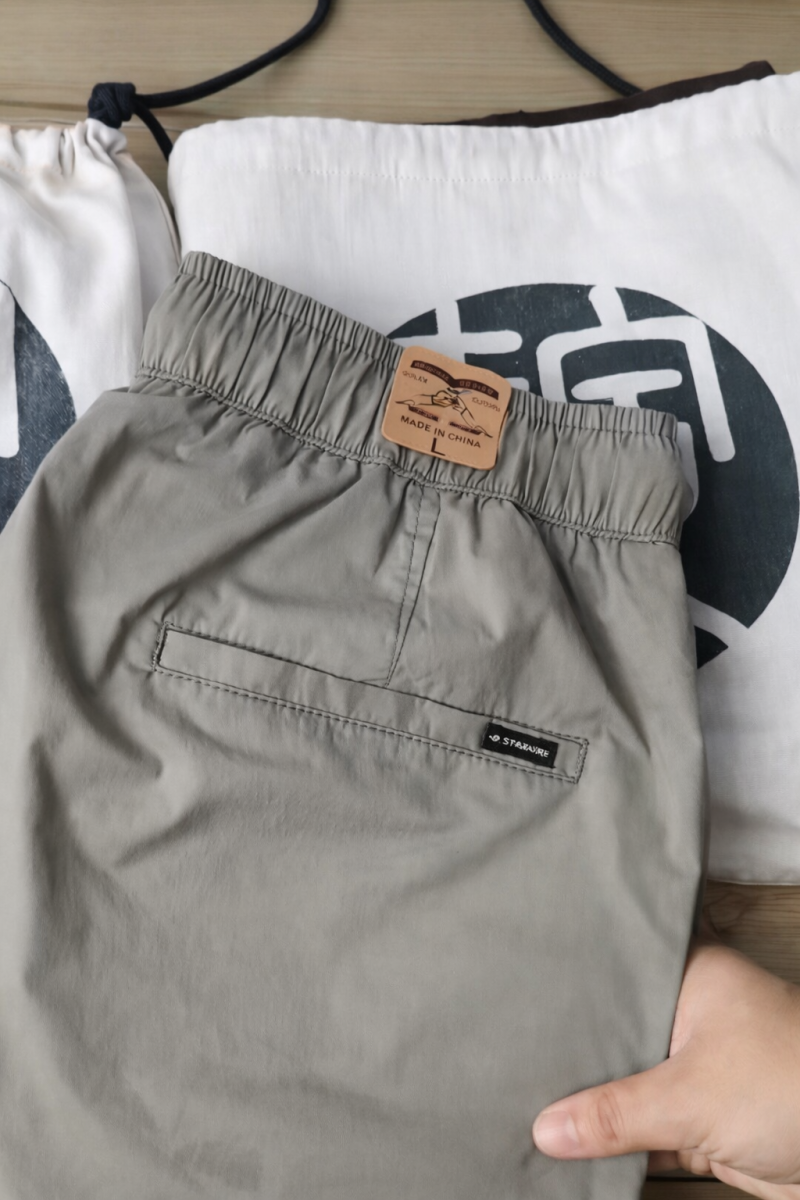
Finding the perfect pair of men's pants can be a daunting task, especially when you're unsure about which style, fit, and color will complement your unique body type and height. Whether you're shopping for professional attire, casual wear, or something in between, understanding how to choose the best men's pants according to your body type, height, and compatible shirt colors is essential for building a versatile and flattering wardrobe. In this comprehensive guide, we'll explore everything you need to know about selecting pants that not only fit perfectly but also enhance your overall appearance and boost your confidence.
Understanding Your Body Type: The Foundation of Perfect Pants Selection
Before you can choose the best men's pants for your body type, you need to first understand what your body type actually is. Men's bodies come in several different shapes and sizes, and recognizing yours is the crucial first step toward finding pants that will fit you perfectly and make you look your absolute best.
The Athletic Body Type
If you have an athletic body type, you likely have well-defined muscles, broad shoulders, and a tapered waist. Men with athletic builds should look for pants that highlight their physique rather than hide it. Slim-fit and tapered pants work exceptionally well for athletic builds, as they follow the natural contours of your legs without appearing too tight or restrictive. These styles emphasize your muscular legs while maintaining a clean, streamlined silhouette.
The Stocky Body Type
Men with a stocky build typically have broader shoulders, thicker legs, and a more compact frame overall. For this body type, straight-leg or relaxed-fit pants are ideal choices. These styles provide enough room through the thighs and calves without creating excess fabric that could make you appear bulkier. Look for pants with a slight taper at the ankles to maintain a modern, polished look while accommodating your natural frame.
The Tall and Lean Body Type
If you're tall and lean, you have the advantage of being able to wear many different pant styles. However, to avoid looking too lanky or overwhelming your frame, regular-fit or slightly tapered pants work best. The key is ensuring your inseam is accurate—your pants should break slightly at your shoe without bunching or appearing too short, which is a common challenge for tall men.
The Average Build Body Type
Men with an average or proportional build have the flexibility to wear most pant styles successfully. Classic straight-leg or slim-fit options are versatile choices that will work well for various occasions and settings. This body type is actually the most forgiving when it comes to pant selection.
Height Considerations: Making the Perfect Length Selection
Choosing the best men's pants according to your height is just as important as considering your body type. Improper pant length can completely throw off your proportions and overall appearance, regardless of how well the waist and thigh fit.
For Shorter Men (5'6" and Below)
If you're a shorter man, focus on cropped or ankle-length pants that sit at or just above your ankle. These styles create the illusion of longer legs by breaking the horizontal line of your shoes. Avoid pants that are too long and bunch at your ankles, as this will make your legs appear even shorter. Look for a break that's minimal or nonexistent—your pants should graze the top of your shoes.
For Average Height Men (5'7" to 5'10")
Average height men should aim for a standard break at the shoe. This means the pants should touch the top of your shoe with just a slight fold or break in the fabric. This is the most common and versatile option that works well for most occasions and settings.
For Tall Men (5'11" and Above)
Tall men need to ensure their inseam is long enough to prevent their pants from appearing too short. The break should be minimal to standard, depending on your personal preference. Many tall men benefit from having pants specially tailored to their exact measurements, as standard sizes often fall short. Consider pants with longer inseams or look for brands that cater specifically to taller frames.
Shirt Color Coordination: Mastering the Art of Color Pairing
Understanding how to choose men's pants that coordinate with your shirt color is essential for creating cohesive, professional, and stylish outfits. The right color combinations can elevate your entire look.
Pairing Pants with White Shirts
A white shirt is incredibly versatile and pairs well with virtually any pant color. However, for a classic professional look, consider these options:
- Navy blue pants create a timeless, sophisticated combination that works for business settings
- Charcoal gray pants offer a subtle contrast while maintaining professionalism
- Black pants deliver a formal, elegant appearance perfect for evening events
- Khaki or tan pants provide a casual, approachable aesthetic
Pairing Pants with Light Blue Shirts
Light blue shirts are incredibly popular in professional and casual settings. To complement this color effectively:
- Dark navy pants create excellent contrast and a cohesive professional look
- Gray pants in medium to dark shades offer a refined appearance
- Khaki pants work well for casual Friday or weekend settings
- Charcoal pants provide depth and sophistication
Pairing Pants with Dark or Bold Colored Shirts
When wearing darker or bolder colored shirts like burgundy, dark purple, or forest green:
- Black pants create a monochromatic, dramatic look
- Charcoal gray pants offer subtle contrast without clashing
- Navy blue pants work well if the shirt isn't too dark
- Dark gray pants maintain visual balance and sophistication
Pairing Pants with Neutral and Earthy Tones
Shirts in beige, tan, or soft neutral colors pair beautifully with:
- Navy pants for a classic contrast
- Dark gray pants for a subtle combination
- Khaki pants for a monochromatic, cohesive look
- Olive or tan pants for an earthy, coordinated appearance
Understanding Different Pant Styles and Fits
Beyond body type and height, understanding different pant styles helps you make better decisions when shopping for men's pants. Each style offers unique benefits and works better for specific occasions and body types.
Slim-Fit Pants
Slim-fit pants are tailored closer to the body and feature a tapered leg that narrows toward the ankle. These are excellent for men with athletic or lean builds and work well for modern, fashion-forward looks. They pair nicely with fitted shirts and are increasingly popular in contemporary professional environments.
Straight-Leg Pants
Straight-leg pants maintain a consistent width from the thigh to the ankle, offering a classic, versatile option that works for most body types. This traditional style is appropriate for virtually any setting, from business to casual, and never goes out of fashion.
Relaxed-Fit Pants
For men who prefer comfort without sacrificing style, relaxed-fit pants offer more room through the thighs and seat while maintaining a polished appearance. These are ideal for stockier builds and casual settings.
Tapered Pants
Tapered pants feature a fitted waist and thigh that gradually narrows toward the ankle. This style works particularly well for tall, lean men and creates an elongated silhouette.
Fabric and Material Considerations
The material of your pants affects not only how they look but also how comfortable they are and how well they coordinate with different shirts. When choosing the best men's pants according to your needs, consider these common materials:
Cotton and Cotton Blends
Cotton pants are breathable, comfortable, and versatile. They work well for both casual and professional settings. Cotton blends often include polyester for improved durability and wrinkle resistance.
Wool
Wool pants are excellent for formal occasions and colder months. They drape beautifully, provide structure, and offer a sophisticated appearance. Wool is particularly popular for dress pants.
Linen
Linen pants are perfect for warm weather and casual settings. They're lightweight and breathable, though they do wrinkle more easily than other materials.
Synthetic Blends
Synthetic blend pants often incorporate elastane or spandex for stretch and comfort. These materials help pants maintain their shape and move with your body throughout the day.
Color Selection Based on Your Skin Tone
While pairing pants with shirt colors is important, you should also consider how pant colors look against your skin tone. This often-overlooked aspect can significantly enhance your overall appearance.
For Fair or Light Skin Tones
Men with lighter skin tones typically look great in dark colors like navy, charcoal, and black, which create striking contrast. Light neutrals like khaki and cream also work beautifully against fair skin.
For Medium Skin Tones
Medium skin tones are versatile and can wear almost any pant color effectively. Both light and dark shades typically look flattering, giving you maximum flexibility in your wardrobe choices.
For Deeper or Dark Skin Tones
Deeper skin tones often look stunning in rich colors like navy, burgundy, olive, and caramel tones. Lighter neutrals can also look sophisticated, though darker shades often provide better contrast and visual impact.
Fit and Tailoring: The Final Step to Perfect Pants
Even the most carefully selected pants might need minor adjustments to achieve a perfect fit. Understanding fit essentials ensures your pants look impeccable.
Waist Fit
Your pants waist should sit comfortably at your natural waistline without pinching or sagging. You should be able to fit one finger comfortably inside the waistband when fastened.
Thigh Fit
The thigh should have enough room for movement without excess fabric. For slim-fit styles, the fabric should follow the contour of your leg without bunching.
Length and Break
As mentioned earlier, proper length is crucial. The break—the point where your pants meet your shoes—should be appropriate for your height and the occasion.
Professional Tailoring
Professional tailoring can transform an okay-fitting pair of pants into a perfectly fitting garment. Consider investing in tailoring for important items like dress pants.
Occasion-Based Selection: Choosing Pants for Different Settings
Different occasions call for different pant styles and colors. Understanding these distinctions helps you make appropriate choices.
Business and Professional Settings
For work environments, opt for neutral colors like navy, charcoal, black, or gray in dress pants or business casual pants. Fabrics should be wrinkle-resistant and well-maintained. Pair these with professional shirts in white, light blue, or subtle patterns.
Business Casual
Chinos and casual dress pants in khaki, navy, or gray work well for business casual environments. These can be paired with polo shirts, button-ups, or sweaters for a polished yet relaxed appearance.
Casual Weekend Wear
For casual settings, jeans, chinos, and khakis are all excellent choices. These pair well with t-shirts, casual button-ups, and sweaters. Color choices are more flexible in casual settings.
Formal and Evening Events
Dress pants in black or charcoal gray are essential for formal occasions. These should be paired with dress shirts and complemented with appropriate accessories like ties or bow ties.
Budget Considerations: Finding Quality at Every Price Point
Quality men's pants are available at various price points. Understanding where to invest and where you can save helps build a practical, stylish wardrobe.
Budget-Friendly Options
Many retailers offer decent-quality pants at affordable prices. Look for basics in neutral colors that won't quickly go out of style.
Mid-Range Investments
Mid-range pants typically offer better quality, durability, and fit than budget options. Investing here for essential pieces like navy dress pants or quality khakis is worthwhile.
Premium and Designer Options
Premium pants offer superior fabric quality, construction, and fit. These are excellent investments for pieces you'll wear frequently.
Care and Maintenance: Keeping Your Pants Looking Great
Proper care extends the life of your pants and keeps them looking fantastic. Different materials require different care approaches.
Washing and Drying
Always check care labels. Generally, dress pants should be dry-cleaned or hand-washed, while casual pants can often be machine-washed. Turn pants inside out to protect the color and fade resistance.
Storage
Store pants folded or hung on proper hangers to prevent wrinkles and maintain shape. Use cedar blocks or lavender sachets to protect against moths.
Stain Removal and Repairs
Address stains promptly and consider professional cleaning for important pieces. Small repairs like replacing a button or fixing a small tear should be done immediately to prevent further damage.
Common Mistakes to Avoid When Choosing Men's Pants
Understanding what not to do is just as important as knowing what to do. Here are common pitfalls to avoid:
- Ignoring your actual measurements – Always try on multiple sizes and styles rather than assuming your usual size
- Overlooking inseam length – This is one of the most important measurements; don't skip it
- Choosing trends over timelessness – Build your wardrobe with classic pieces that won't feel dated in a year
- Neglecting fabric quality – Higher-quality fabrics look better and last longer
- Skipping tailoring – Professional adjustments can make an enormous difference
- Choosing color based solely on trends – Select colors that complement your skin tone and lifestyle
Shopping Tips for Finding Your Perfect Fit
Making smart shopping decisions requires strategy and knowledge. Follow these tips to find the best men's pants for your needs:
Know Your Measurements
Record your accurate measurements including waist, inseam, and length. Having this information saves time and reduces the likelihood of ordering incorrect sizes.
Try Multiple Options
Don't settle for the first pair of pants that fits reasonably well. Try several styles and brands to understand what works best for your body and preferences.
Test Movement and Comfort
Walk around and sit down in pants before purchasing. Movement should be unrestricted, and you should feel comfortable during normal activities.
Check Seams and Construction
Examine stitching quality, seam strength, and overall construction. Quality pants have straight, even seams and reinforced stress points.
Consider Return Policies
Shop at retailers with generous return policies, especially when buying online. This allows you to order multiple sizes and return what doesn't work.
Building a Versatile Pants Wardrobe
Rather than buying random pants, build a strategic wardrobe with essential pieces that work together. A well-planned wardrobe makes getting dressed easier and ensures you look great in various settings.
Essential Neutral Pants
Every man should own at least one pair each of:
- Navy dress pants – versatile for business and formal occasions
- Charcoal gray pants – professional and pairs with most shirts
- Khaki chinos – perfect for business casual and weekend wear
- Dark jeans – a casual staple that's versatile and timeless
- Black dress pants – essential for formal events
Adding Color and Variety
Once you have essentials, add variety with colors that complement your skin tone and lifestyle. Consider olive, burgundy, or other colors that work well with your typical shirt choices.
Seasonal Considerations for Pant Selection
Different seasons call for different pant choices. Understanding seasonal appropriateness ensures you're always dressed correctly.
Summer Pants
Lightweight fabrics like cotton, linen, and blends work best in summer. Choose lighter colors like khaki, light gray, or white to reflect heat.
Winter Pants
Heavier fabrics like wool and thicker cotton blends provide warmth. Darker colors absorb more heat and work well for winter months.
Spring and Fall Transitional Pants
Medium-weight fabrics in neutral colors work best during transition seasons, offering flexibility as temperatures fluctuate.
Advanced Styling: Maximizing Your Pants with Accessories
The right accessories can elevate your pants and complete your entire outfit. Consider these elements:
Belt Selection
Choose belts that complement your pants color. Generally, dark pants pair with dark belts, while light pants work with lighter belts. Material should also coordinate—leather belts typically match leather shoes.